
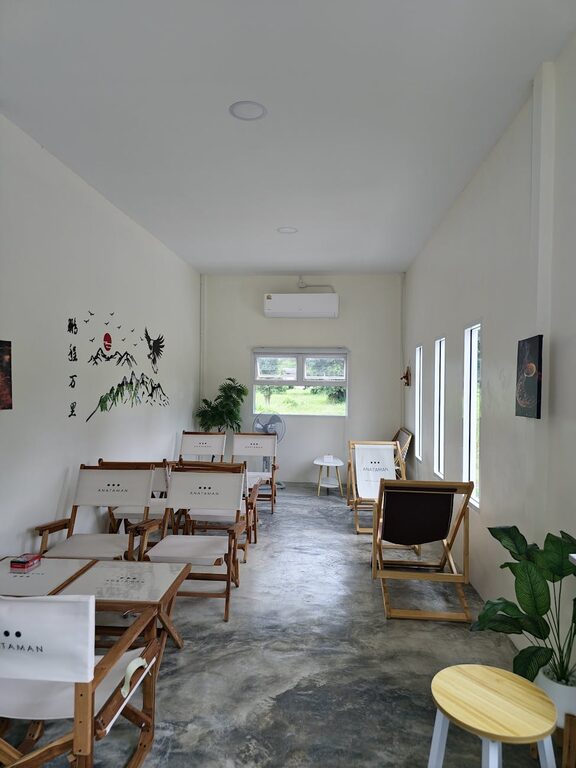
Adding plants to your home is one of the simplest and most effective ways to refresh your living space. Greenery not only enhances the aesthetic appeal but also improves air quality and creates a calming atmosphere. Whether you’re a seasoned plant parent or just starting out, this guide will help you transform your home with plants in easy and enjoyable ways.
Why Add Plants to Your Home?
Before diving into the “how,” it’s helpful to understand the benefits plants bring indoors:
– Improved Air Quality: Many houseplants filter toxins and release oxygen.
– Boosted Mood: Greenery can reduce stress and improve mental wellbeing.
– Enhanced Aesthetics: Plants add color, texture, and life to any room.
– Natural Humidity: Certain plants increase humidity, which is great for skin and respiratory health.
With so many positives, the next step is choosing the right plants.
Choosing the Right Plants for Your Space
Not all plants thrive under the same conditions. Here’s how to select plants that match your home environment:
Assess Light Levels
– Bright Light: Large windows with direct sunlight—great for succulents, cacti, and fiddle leaf figs.
– Indirect Light: Rooms with plenty of light but no direct sun—ideal for snake plants, pothos, and peace lilies.
– Low Light: Spaces with minimal natural light—perfect for ZZ plants, philodendrons, and cast iron plants.
Consider Your Lifestyle
– Low Maintenance: If you prefer easy care, opt for plants that tolerate occasional neglect, such as spider plants or succulents.
– Pet-Friendly: For pet owners, choose non-toxic plants like Boston fern or calathea.
– Humidity Needs: Bathrooms and kitchens often have higher humidity, suitable for moisture-loving plants like ferns or orchids.
Creative Ways to Display Plants
Plants can be more than just potted items on a shelf. Here are ideas to showcase them beautifully:
Use Unique Containers
Swap standard pots for woven baskets, ceramic bowls, or vintage tins that complement your room’s style.
Hang Them Up
Hanging planters add greenery without taking up surface space. Macramé hangers or wall-mounted pots are charming options.
Create a Plant Corner
Dedicate a small area in your home to a collection of various plants at different heights. Use stands, shelves, and floor pots to create depth.
Window Sills and Shelves
Bright window ledges and floating shelves allow plants to soak in natural light while decorating your space.
Essential Care Tips for Healthy Plants
Once your plants are in place, maintaining them ensures they thrive:
– Water Wisely: Overwatering is a common mistake. Check soil moisture before watering.
– Feed Occasionally: Use balanced, water-soluble fertilizer during the growing season.
– Dust Leaves: Clean leaves regularly to help plants breathe and absorb light better.
– Prune and Repot: Remove dead leaves and repot when roots outgrow the container.
Seasonal Plant Refresh
Consider rotating plants seasonally to keep your home feeling fresh. Swap out heavy-leafed plants in summer for lighter, flowering varieties in spring, for example.
Troubleshooting Common Plant Problems
Don’t worry if your plants show signs of stress. Here are simple fixes:
– Yellowing Leaves: Usually from overwatering or lack of nutrients.
– Wilting: May indicate underwatering or root issues.
– Pests: Wipe leaves with soapy water and isolate affected plants.
Conclusion
Refreshing your home with plants is a rewarding project that benefits both your environment and wellbeing. Start small, choose plants that suit your lifestyle and space, and enjoy watching your green corners grow vibrant and healthy. With a little care and creativity, plants can breathe new life into your home.
Happy planting!