
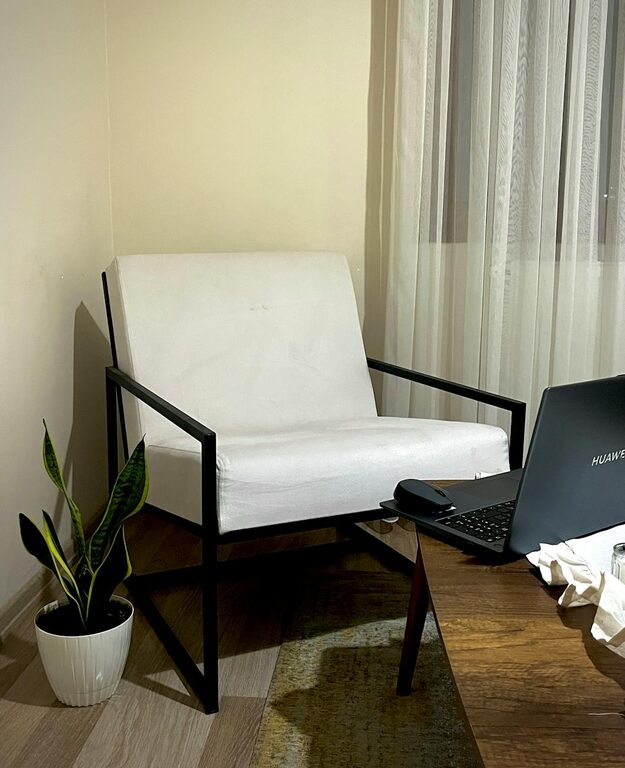
Creating a relaxing home workspace is essential for anyone working remotely or managing tasks from home. A peaceful and comfortable environment not only improves focus but also reduces stress, helping you stay productive throughout the day. In this post, we’ll explore practical ways to design a workspace that feels inviting, organized, and inspiring.
Why a Relaxing Workspace Matters
Your workspace is more than just a desk and chair—it’s where you spend hours each day tackling projects, meetings, and communications. When this space is cluttered, noisy, or uncomfortable, it can lead to frustration and decreased efficiency. On the other hand, a well-designed, calming workspace encourages creativity, concentration, and well-being.
Choosing the Right Location
Start by selecting the best spot in your home for your workspace.
– Natural Light: Pick a location near a window to benefit from natural sunlight. Natural light can boost mood and energy.
– Quiet Environment: Choose a quiet area away from high-traffic zones to minimize distractions.
– Space for Essentials: Ensure there is enough room for your desk, chair, and any equipment you need.
If space is limited, consider multifunctional furniture or creative layouts to maximize your area.
Comfortable and Supportive Furniture
Investing in the right furniture lays the foundation for a relaxing workspace.
– Ergonomic Chair: Choose a chair that supports your posture to avoid discomfort and fatigue.
– Adjustable Desk: A desk with adjustable height can help you switch between sitting and standing.
– Decluttered Surface: Keep your desk surface clear to minimize distractions and create a sense of order.
Add a footrest or cushion if needed for extra comfort.
Organize with Purpose
Clutter can increase stress and disrupt focus. Here’s how to keep organized:
– Storage Solutions: Use shelves, filing cabinets, or bins to store supplies and documents out of sight.
– Cable Management: Use clips or sleeves to keep cables tidy and prevent tangling.
– Daily Cleanup: Spend a few minutes at the end of each day tidying your space, so you start fresh tomorrow.
Clear organization helps create a calming atmosphere and speeds up your workflow.
Soothing Colors and Decor
Colors impact mood more than we often realize. Choose calming tones and decor to enhance relaxation:
– Color Palette: Soft blues, greens, and neutrals are known for their calming effects.
– Personal Touch: Add a few meaningful items, like photos, art, or plants, but avoid overcrowding.
– Minimalism: Embrace a minimalist approach to reduce visual noise.
Plants, in particular, not only brighten the workspace but also improve air quality and add a touch of nature.
Control Lighting and Noise
Proper lighting and sound levels contribute significantly to your comfort.
– Adjustable Lighting: Use layered lighting—combine overhead lights, desk lamps, and natural light to reduce eye strain.
– Noise Management: Consider noise-canceling headphones or white noise machines if your environment is noisy.
Being able to control your lighting and sound helps maintain focus and reduce fatigue.
Incorporate Break-Friendly Elements
Remember, a relaxing workspace supports well-being by encouraging regular breaks.
– Comfort Zone: Include a comfortable chair or small couch nearby for short rests.
– Refreshments: Keep a water bottle or tea nearby to stay hydrated.
– Movement Space: Leave room to stretch or do light exercises.
Taking breaks refreshes your mind and helps prevent burnout.
Technology Tips for Calmness
Technology is integral, but it can also overwhelm. Use these approaches to maintain calm:
– Limit Notifications: Turn off non-essential notifications while working.
– Efficient Setup: Arrange your monitor, keyboard, and mouse for ergonomic use.
– Backup Systems: Have reliable backups and charging solutions ready to avoid frustration.
A smooth tech setup reduces stress related to interruptions or malfunctions.
Personalizing Your Routine
Finally, build habits that enhance relaxation in your workspace:
– Set Clear Boundaries: Define work hours to separate work life from home life.
– Regular Cleaning: Schedule weekly deep cleaning to maintain your calming environment.
– Incorporate Mindfulness: Try brief meditation or breathing exercises during breaks.
These practices will help you sustain a peaceful and productive workspace over time.
—
Creating a relaxing home workspace is a blend of thoughtful design, organization, and personal care. By choosing the right location, investing in comfort, organizing efficiently, and adding soothing touches, you can transform your work area into a place you look forward to spending time in every day. Remember, the best workspace is one that supports your unique needs and helps you work happily and healthily.